
Where the Marina Meets the Cliffs
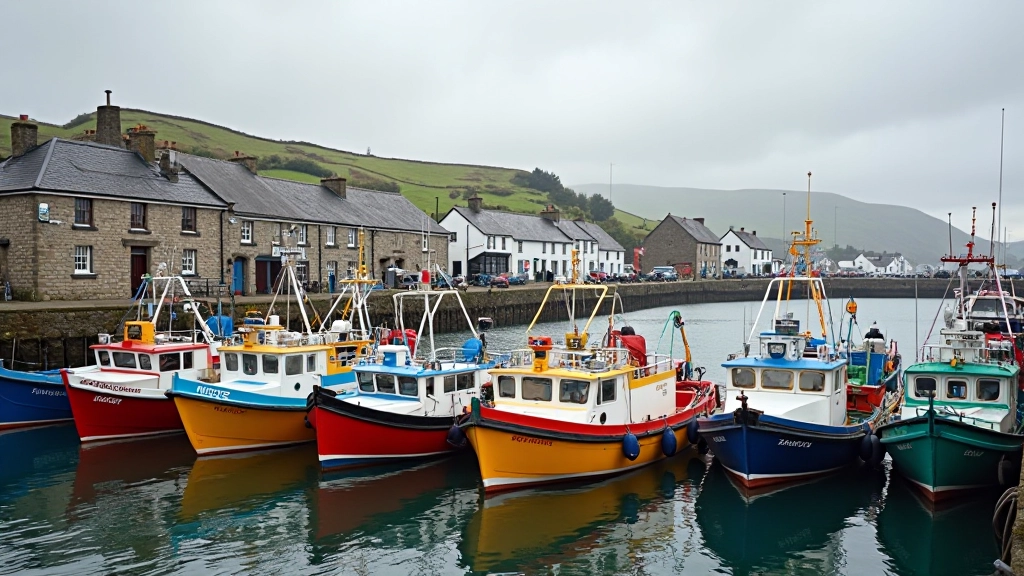
There's something special about Dingle's waterfront. It's not just the views — though those are undeniably stunning. It's the way the town spills right down to the water's edge, creating this natural corridor where locals and visitors naturally wander. The stroll to Dunmore Head is the town's best-kept accessible secret. We're talking a gentle, well-maintained path that takes you from the heart of Dingle's working harbor out toward the dramatic coastline.
What makes this walk special? It's not crowded like some coastal routes. You'll pass working fishing boats, colorful shop fronts, and quiet benches where you can actually sit and breathe. The entire route covers about 2.5 kilometers and takes most people 45 minutes to an hour, depending on stops. Perfect for an unhurried morning or afternoon.

Starting at the Harbor's Edge
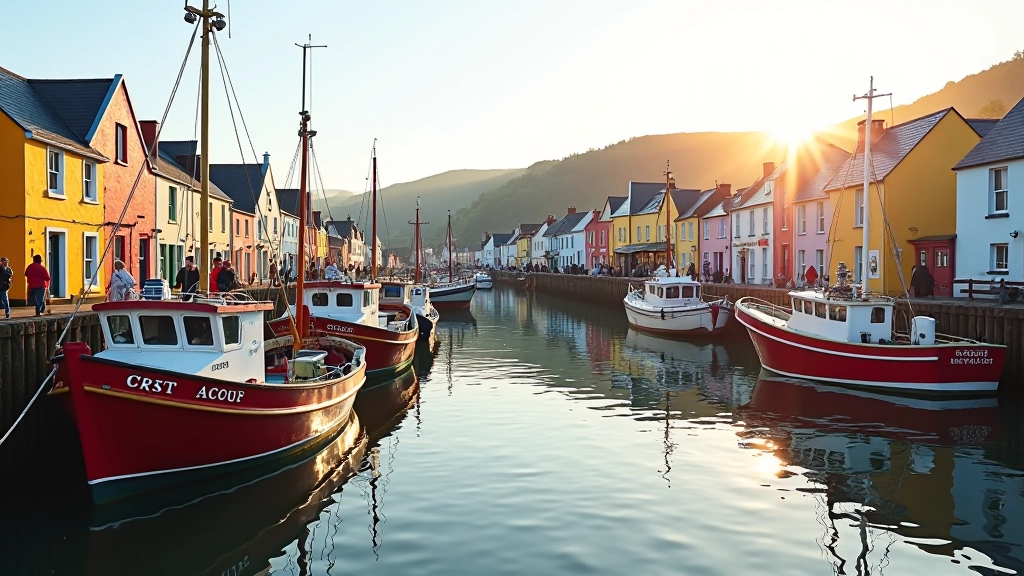
Begin your walk right at Dingle's main harbor area. You'll find plenty of parking and, importantly, public facilities nearby. The path starts officially near the fishing boats — you can't miss them. They're working vessels, so respect the space and don't touch equipment.
The first 500 meters are the busiest. You'll pass gift shops, a few cafes, and the occasional tour group. But don't let that discourage you — it clears out quickly. The surface here is solid tarmac, well-maintained and level. No steep inclines. Benches appear frequently, so if you need to pace yourself or simply enjoy a moment watching the boats, there's always a spot nearby.
"The harbor walk showed me why Dingle's so special. Wasn't just the scenery — it was the genuine activity of the place. Real boats, real work happening, not staged for tourists."
— Margaret, 72
The Scenic Middle Route
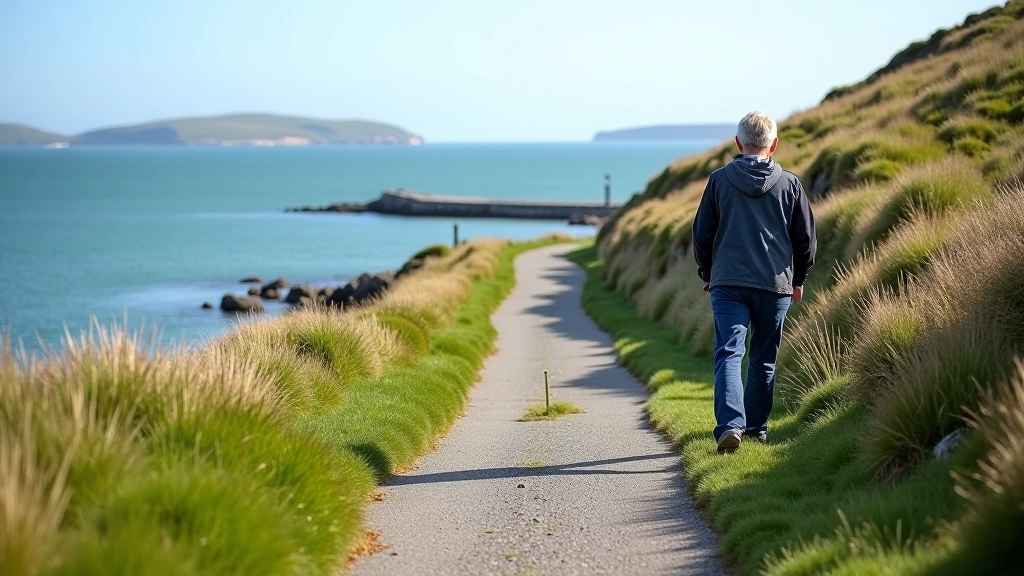
Once you pass the main harbor shops, the character changes completely. The path widens and the water views open up. You're now walking alongside Dingle Bay itself, with the Blasket Islands visible on clear days. This middle section is where most people find their rhythm. The path remains level and accessible — about 1 kilometer of pure coastal scenery.
What you'll notice: The water is almost always moving, reflecting light differently depending on the time of day. Early morning gives you softer light and usually fewer people. Afternoon brings sharper shadows and busier benches. We recommend going early if you prefer quieter moments.
You'll encounter several small residential areas here. It's genuinely residential — locals walking dogs, kids playing in gardens overlooking the bay. It gives the route an authentic feel that makes you realize you're walking through actual people's neighborhoods, not just a tourist attraction.
Key Details for Your Walk
Distance
2.5 kilometers from harbor to viewpoint. Most walkers complete it in 45–60 minutes with stops.
Surface
Tarmac path for the first 1.5km, then gravel with some uneven sections. Entirely flat with no steep grades.
Best Time
Early morning (8–10am) for calm weather and fewer crowds. Avoid during heavy rain when the gravel section becomes slippery.
Facilities
Benches every 200–300 meters. Public restrooms available at the harbor start point. No facilities beyond that.

The Viewpoint at Dunmore Head
The final stretch gets rougher. You'll leave the tarmac behind and walk on a gravel path with some uneven ground. Don't let that stop you — it's still very walkable, just requires a bit more attention to your footing. The reward is the Dunmore Head viewpoint itself. This isn't a dramatic cliff edge; it's more subtle. A small grassy area with panoramic views across the entire bay. On clear days, you can see all the way to the Skellig Islands.
Most people spend 20–30 minutes here. There's a natural wind shelter formed by the hillside, and benches are positioned to face the water. It's genuinely one of the quieter vantage points around Dingle because most visitors don't make the effort to walk all the way out.
This is where you'll see why locals call this their favorite walk. There's no commercialization here. Just water, sky, and the sound of waves. Bring a flask of tea if you're staying longer. You've earned it.
Practical Information
What to Bring
- Water bottle — there's no water available on the path itself
- Light jacket — coastal wind can surprise you even on warm days
- Sun cream — the water reflects light intensely
- Sturdy walking shoes with good grip (essential for the gravel section)
- Camera or phone — views are genuinely worth capturing
What to Know
- No wheelchair accessibility beyond the first 500 meters due to gravel section
- Mobile signal is spotty — download a map beforehand if you're cautious
- The route isn't circular — you'll return the way you came
- Parking at the harbor can get busy on summer weekends (arrive before 10am)
- Dogs are welcome, but keep them under control near residential areas
Why This Walk Works
The Waterfront Stroll to Dunmore Head isn't flashy. It doesn't have dramatic cliff edges or famous landmarks. What it has is authenticity. You're walking through a working harbor town, past real homes and boats, to a viewpoint that feels genuinely remote despite being only 2.5 kilometers from the town center. That combination is increasingly rare.
It's also genuinely manageable. The pace is whatever you make it. Stop for 10 minutes or an hour — there's no pressure. The path accommodates walkers of different abilities for most of the route. And unlike many coastal walks, you're never far from benches or the option to turn back.
This is the kind of walk that doesn't show up in guidebook lists as often as it should. Which is probably why locals love it so much. You'll understand why after your first visit.
Disclaimer
This article provides informational guidance about the Waterfront Stroll to Dunmore Head for general reference purposes. Walking conditions, weather, and accessibility can vary seasonally and may change without notice. We recommend checking local weather forecasts and conditions before you go. If you have mobility concerns, heart conditions, or other health considerations, consult appropriate professionals before undertaking any walk. Dingle's coastal paths are natural environments — always exercise appropriate caution, stay on marked routes, and respect private property boundaries.